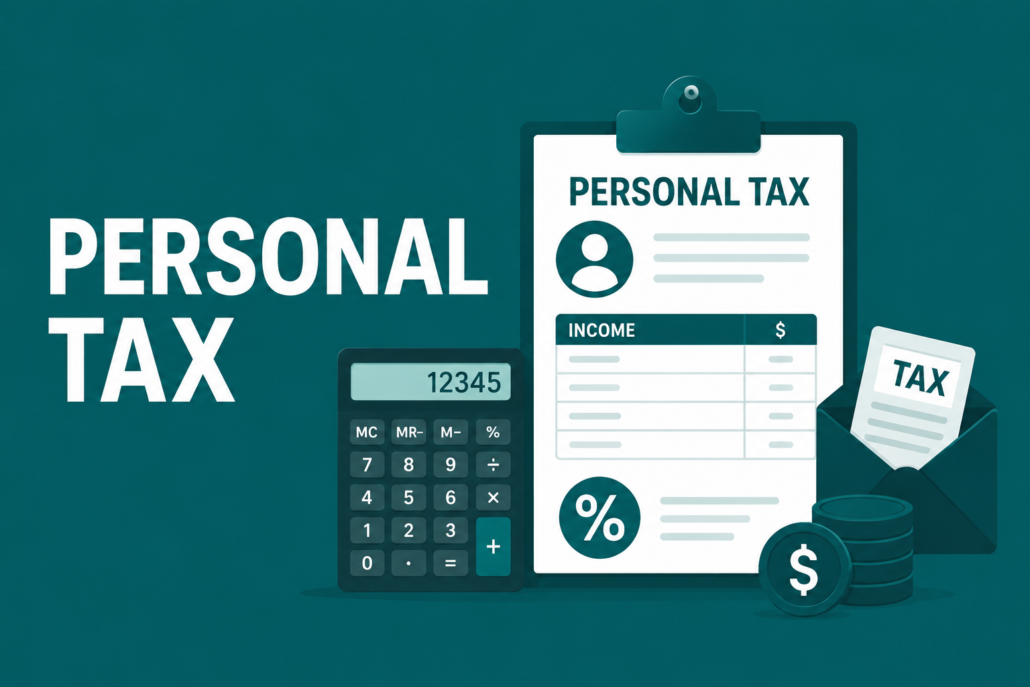
How to File Personal Tax in New Zealand
Filing personal taxes in New Zealand is an essential part of managing your finances. Whether you’re an employee, self-employed, or earning income from investments, understanding how the system works will help you stay compliant and avoid unnecessary stress.
New Zealand has a relatively simple and transparent tax system compared to many countries. Still, if you’re new to it, the process can feel confusing.
This guide explains exactly how to file personal tax in New Zealand, step by step, in a clear and human-friendly way.
1. Understanding the New Zealand Tax System
Personal income tax in New Zealand is managed by the Inland Revenue Department (IRD).
New Zealand uses a progressive tax system, meaning:
- Income is taxed in brackets
- Higher income = higher tax rate
Taxes fund public services such as healthcare, education, and infrastructure.
2. Do You Need to File a Tax Return?
Not everyone needs to file a tax return in New Zealand.
You may NOT need to file if:
- You only earn salary or wages
- Your tax is deducted correctly through PAYE
You MUST file if:
- You are self-employed
- You earn rental income
- You have overseas income
- You have untaxed income
3. Get an IRD Number
To file taxes, you need an IRD number.
- Issued by the Inland Revenue Department
- Required for all tax-related activities
4. Understand the Tax Year
The New Zealand tax year runs from:
1 April to 31 March
You must report income earned during this period.
5. Gather Required Documents
Before filing, collect all relevant records.
Income Documents
- Salary/wage records
- Interest income statements
- Dividend statements
- Rental income
Expense Records
- Business expenses
- Receipts for deductions
- Donation receipts
6. Identify Your Income Sources
You must report all income.
Common Income Types
- Employment income
- Self-employment income
- Investment income
- Rental income
- Overseas income
7. Understand PAYE (Pay As You Earn)
If you are employed:
- Tax is deducted automatically
- Employer sends it to the IRD
In many cases, you may not need to file a return.
8. When You Need to File an IR3 Return
You must file an IR3 Individual Tax Return if you have:
- Self-employment income
- Rental income
- Untaxed income
9. Calculate Your Total Income
Add all income sources to determine your gross income.
10. Claim Allowable Expenses
Expenses reduce your taxable income.
Examples
- Business expenses
- Home office costs
- Accounting fees
11. Calculate Taxable Income
Formula:
Total Income – Allowable Expenses = Taxable Income
12. Understand Tax Rates in New Zealand
New Zealand uses progressive tax rates.
Different portions of your income are taxed at different rates.
13. Calculate Tax Payable
Once you know your taxable income, apply the relevant tax rates.
14. Check Tax Credits
Common Credits
- Donation tax credit
- Independent earner tax credit
These reduce your tax liability.
15. Determine Refund or Amount Owing
If too much tax was paid:
→ You receive a refund
If too little tax was paid:
→ You must pay the difference
16. File Your Tax Return
You can file your return:
Online via myIR
- Fast and easy
- Recommended by the Inland Revenue Department
Through an Accountant
- Helpful for complex cases
17. Important Deadlines
Standard Deadline
- 7 July
With Tax Agent
- Extended deadlines may apply
18. Pay Your Tax
Payment Methods
- Online banking
- Direct debit
Paying late may result in penalties.
19. Real-Life Example: Employee
Profile
- Name: Emma
- Income: NZD 60,000
Process
- PAYE deducted
- No return required
20. Real-Life Example: Freelancer
Profile
- Name: Liam
- Income: NZD 80,000
- Expenses: NZD 20,000
Outcome
- Pays tax on NZD 60,000
21. Real-Life Example: Landlord
Profile
- Name: Sarah
- Rental income earned
Process
- Reports rental income
- Claims property expenses
22. Common Mistakes to Avoid
- Not reporting all income
- Missing deadlines
- Poor recordkeeping
- Incorrect expense claims
23. Prepare for IRD Review
The Inland Revenue Department may review your return.
Tips
- Keep records for 7 years
- Maintain receipts
- Ensure accuracy
24. Use Tax Software
Popular options:
- myIR (official system)
- Accounting software
25. Hire a Tax Professional
Useful if:
- You have multiple income sources
- You run a business
- Your tax situation is complex
26. Plan for Future Taxes
Good habits include:
- Tracking income
- Saving for tax payments
- Reviewing finances regularly
27. Benefits of Filing Taxes Properly
- Avoid penalties
- Maximize refunds
- Stay compliant
- Improve financial management
28. Final Thoughts
Learning how to file personal tax in New Zealand is an essential financial skill.
While the process may seem complex at first, breaking it into steps makes it manageable.
Focus on:
- Understanding your income
- Claiming deductions
- Filing on time
With practice, tax filing becomes simple—and even beneficial.
FAQs
Q1: Do I need to file a tax return in New Zealand?
Not always—only if you have untaxed income or specific conditions.
Q2: What is the IR3 form?
It is the individual income tax return form.
Q3: When is the tax deadline in New Zealand?
7 July, unless extended.
Q4: Can I file taxes online?
Yes, via myIR.

Leave a Reply
Want to join the discussion?Feel free to contribute!