
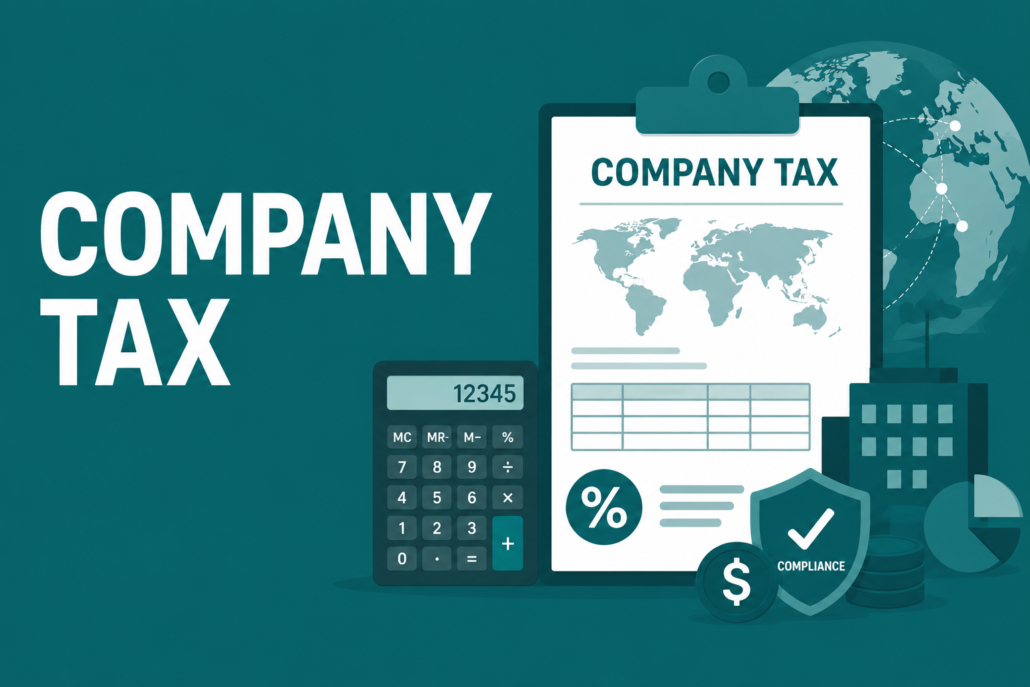
How to File Company Tax in Denmark
Filing company tax in Denmark is an essential responsibility for every business owner operating in the country. Denmark is known for its transparent, efficient, and highly digital tax system, making compliance easier compared to many other jurisdictions.
However, if you are new to the Danish tax system, understanding the process step by step is crucial to avoid costly mistakes and penalties.
In this comprehensive guide, you’ll learn exactly how to file company tax in Denmark, explained in a clear, practical, and human-friendly way.
1. Understanding the Danish Corporate Tax System
Corporate taxation in Denmark is administered by the Danish Tax Agency.
All companies operating in Denmark must:
- File an annual corporate tax return
- Pay corporate income tax
- Maintain accurate financial records
Corporate tax applies to:
- Business profits
- Investment income
2. What Is Considered a Company in Denmark?
A company is a legal entity separate from its owners.
Common Types of Companies
- Private limited company (ApS)
- Public limited company (A/S)
- Branches of foreign companies
Companies must be registered with the Danish Business Authority.
3. Register Your Company for Tax
After incorporation, you must register your business with the Danish Tax Agency.
You Will Receive
- CVR number (Central Business Register number)
- Tax registration details
4. Understand Your Tax Obligations
Companies in Denmark are responsible for several types of taxes:
Corporate Income Tax
- Applied to company profits
Value Added Tax (VAT)
- Charged on goods and services
Payroll Taxes
- If the company employs staff
5. Know Your Accounting Period
The standard accounting period in Denmark is:
1 January to 31 December
Some companies may choose a different fiscal year.
6. Maintain Accurate Financial Records
Proper recordkeeping is essential for compliance.
Keep Track Of
- Income and revenue
- Business expenses
- Payroll records
- Invoices and receipts
The Danish Tax Agency requires records to be kept for several years.
7. Prepare Financial Statements
Before filing taxes, you must prepare:
- Income statement
- Balance sheet
- Notes to accounts
These documents form the basis of your tax return.
8. Calculate Taxable Income
Formula:
Total Revenue – Allowable Expenses = Taxable Income
9. Understand Corporate Tax Rate
Corporate Tax Rate
- Approximately 22%
This flat rate applies to most Danish companies.
10. Claim Allowable Deductions
Deductions reduce your taxable income.
Common Deductions
- Salaries and wages
- Rent and utilities
- Marketing costs
- Professional fees
- Office expenses
11. Complete the Corporate Tax Return
Companies must file an annual tax return with the Danish Tax Agency.
The Return Includes
- Company information
- Financial statements
- Tax calculations
12. Submit Your Tax Return
Filing Method
- Online submission through the official system
Denmark strongly encourages digital filing.
13. Pay Your Corporate Tax
Payment Methods
- Bank transfer
- Online payments
14. Understand Tax Deadlines
Typical Deadline
- Six months after the end of the financial year
Deadlines may vary depending on the company’s fiscal year.
15. Preliminary Tax Payments
Companies often pay taxes in advance.
Benefits
- Avoid large year-end payments
- Improve cash flow planning
16. Handle VAT Reporting
If registered for VAT:
- File VAT returns periodically
- Report VAT collected and paid
17. Manage Payroll Taxes
If you have employees:
- Withhold income tax
- Pay employer contributions
18. Real-Life Example: Small Business
Profile
- Business: Local retail shop
- Revenue: DKK 600,000
- Expenses: DKK 400,000
Taxable Income
- DKK 200,000
Tax Payable
- 22% = DKK 44,000
19. Real-Life Example: Growing Company
Profile
- Business: Consulting firm
- Revenue: DKK 3,000,000
- Expenses: DKK 2,200,000
Outcome
- Pays corporate tax on profits
20. Real-Life Example: Company with Employees
Responsibilities
- Payroll taxes
- Employer contributions
- Reporting obligations
21. Common Mistakes to Avoid
- Missing deadlines
- Poor recordkeeping
- Incorrect deductions
- Not filing returns
22. Prepare for Tax Audits
The Danish Tax Agency may review your company.
Tips
- Keep accurate records
- Maintain receipts
- Ensure compliance
23. Use Accounting Software
Popular tools include:
- e-conomic
- Dinero
- Xero
24. Hire a Professional Accountant
A tax expert can:
- Ensure compliance
- Maximize deductions
- Reduce errors
25. Plan for Future Taxes
Smart planning includes:
- Setting aside funds
- Reviewing financial performance
- Managing cash flow
26. Benefits of Filing Company Tax Properly
- Avoid penalties
- Improve financial management
- Build credibility
27. Final Thoughts
Learning how to file company tax in Denmark is essential for business success.
While the process may seem complex at first, breaking it down into clear steps makes it manageable.
Focus on:
- Accurate recordkeeping
- Timely filing
- Strategic use of deductions
With the right approach, tax filing becomes not just a requirement—but a valuable financial tool.
FAQs
Q1: What is the corporate tax rate in Denmark?
Around 22% for most companies.
Q2: When is company tax due in Denmark?
Typically six months after the financial year ends.
Q3: Do all companies need to file a tax return?
Yes, all registered companies must file.
Q4: What happens if taxes are not filed?
Penalties and interest may apply.

Leave a Reply
Want to join the discussion?Feel free to contribute!