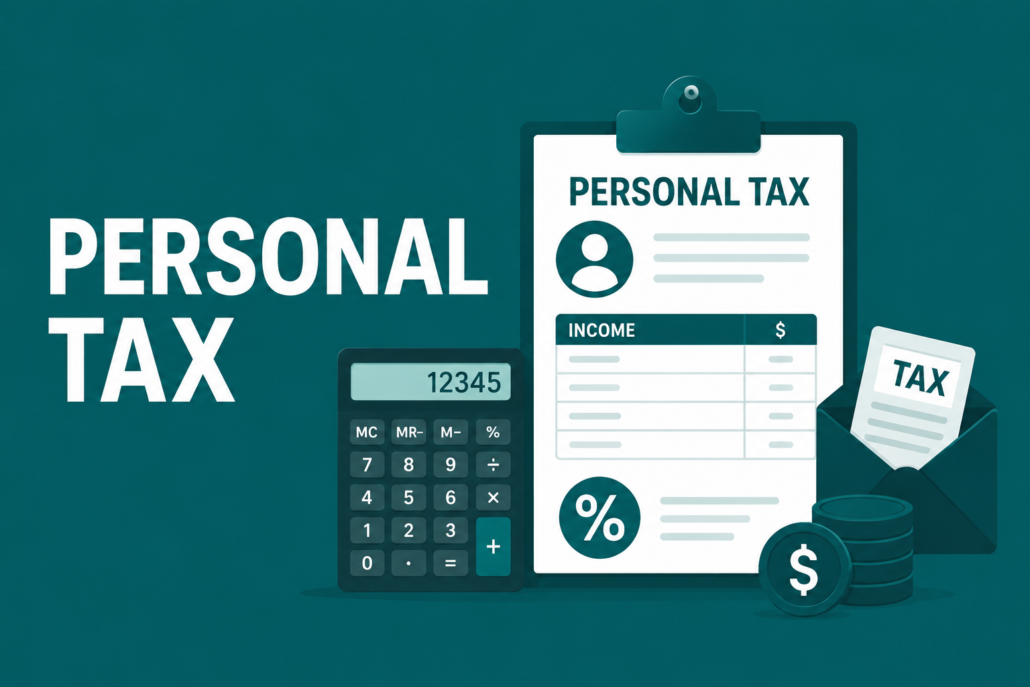
How to File Personal Tax in Canada
Filing personal taxes in Canada is something most residents must do every year. While it may seem complicated at first—with forms, deductions, credits, and deadlines—once you understand the process, it becomes much more manageable.
In fact, filing your taxes properly can help you maximize refunds, avoid penalties, and stay financially organized.
In this complete guide, you’ll learn exactly how to file personal tax in Canada, step by step, in clear and simple language.
1. Understanding the Canadian Personal Tax System
Personal income taxes in Canada are administered by the Canada Revenue Agency (CRA).
Canada uses a progressive tax system, meaning:
- Higher income = higher tax rate
- Income is taxed in brackets
Taxes are collected at:
- Federal level
- Provincial/territorial level
2. Determine If You Need to File a Tax Return
You generally need to file a tax return if:
- You earned income in Canada
- You owe taxes
- You want to claim a refund or benefits
Even if you have no income, filing can help you receive benefits like:
- GST/HST credit
- Canada Child Benefit (CCB)
3. Understand the T1 General Tax Return
The main form used for personal taxes is the T1 General Income Tax and Benefit Return.
This form includes:
- Personal information
- Income details
- Deductions
- Tax credits
- Final tax calculation
Every individual files some version of the T1.
4. Gather Required Documents
Before filing, collect all relevant documents.
Income Documents
- T4 (employment income)
- T5 (investment income)
- T3 (trust income)
- T4A (self-employment or other income)
Expense and Deduction Records
- Tuition receipts
- Medical expenses
- Charitable donations
- RRSP contributions
Having all documents ready makes filing faster and more accurate.
5. Determine Your Residency Status
Your tax obligations depend on your residency status.
Types of Residency
- Resident
- Non-resident
- Deemed resident
Residents must report worldwide income, while non-residents report only Canadian income.
6. Report All Sources of Income
You must report all income earned during the year.
Common Income Types
- Employment income
- Self-employment income
- Rental income
- Investment income
- Pension income
Adding all sources gives your total income.
7. Calculate Net Income
Net income is calculated by subtracting certain deductions from total income.
Common Deductions
- RRSP contributions
- Childcare expenses
- Moving expenses
- Union dues
8. Calculate Taxable Income
After deductions, you get your taxable income, which determines how much tax you owe.
9. Understand Tax Brackets
Canada uses tax brackets, meaning:
- Different portions of income are taxed at different rates
This system ensures fairness and prevents over-taxation.
10. Claim Tax Credits
Tax credits reduce your tax payable.
Types of Credits
Non-Refundable Credits
- Basic personal amount
- Tuition credits
- Medical expenses
Refundable Credits
- GST/HST credit
- Canada Workers Benefit
Refundable credits can give you money even if you owe no tax.
11. Calculate Total Tax Owing
After applying credits, you calculate your total tax liability.
Then compare it with:
- Taxes already paid
- Amount deducted from salary
12. Determine Refund or Balance Owing
If you paid more tax:
→ You receive a refund
If you paid less:
→ You must pay the difference
13. Choose How to File Your Taxes
You can file your tax return in several ways:
NETFILE (Online Filing)
- Fast
- Secure
- Recommended by the Canada Revenue Agency
Paper Filing
- Slower
- Less common
Using a Tax Professional
- Helpful for complex situations
14. Meet Important Tax Deadlines
Key Dates
- April 30 → Filing deadline
- June 15 → Self-employed filing deadline
Even if self-employed, payment is still due by April 30.
15. Pay Your Taxes
If you owe taxes, you can pay through:
- Online banking
- CRA My Payment
- Pre-authorized debit
Paying late results in penalties and interest.
16. Real-Life Example: Employee Filing Taxes
Profile
- Name: Emma
- Income: $55,000
- Province: Ontario
Process
- Receives T4
- Claims standard credits
- Files using NETFILE
Outcome
- Receives tax refund
17. Real-Life Example: Self-Employed Individual
Profile
- Name: Mark
- Income: $70,000
- Expenses: $20,000
Process
- Reports business income
- Deducts expenses
- Files T1 return
Outcome
- Pays tax on $50,000
18. Real-Life Example: Student Filing Taxes
Profile
- Name: Sarah
- Income: $15,000
- Tuition paid: $8,000
Process
- Claims tuition credit
Outcome
- Receives full refund
19. Common Mistakes to Avoid
- Missing deadlines
- Forgetting income
- Incorrect calculations
- Not claiming deductions
- Filing under wrong residency
Avoiding these mistakes can save money and stress.
20. Prepare for CRA Review or Audit
The Canada Revenue Agency may review your return.
Tips
- Keep records for 6 years
- Save receipts
- Ensure accuracy
21. Use Tax Software
Popular Canadian tax software includes:
- TurboTax Canada
- Wealthsimple Tax
- H&R Block
These tools guide you step by step.
22. Hire a Tax Professional
Consider hiring a professional if:
- You are self-employed
- You have multiple income sources
- Your tax situation is complex
23. Plan Ahead for Future Taxes
Smart habits include:
- Tracking income and expenses
- Contributing to RRSP
- Reviewing finances regularly
24. Benefits of Filing Taxes Properly
- Maximize refunds
- Avoid penalties
- Access government benefits
- Improve financial management
25. Final Thoughts
Learning how to file personal tax in Canada is an essential skill for managing your finances.
While the process may seem complex at first, breaking it into steps makes it much easier.
Focus on:
- Gathering documents
- Reporting income correctly
- Claiming deductions and credits
- Filing on time
With practice, tax filing becomes routine—and even an opportunity to improve your financial health.

Leave a Reply
Want to join the discussion?Feel free to contribute!