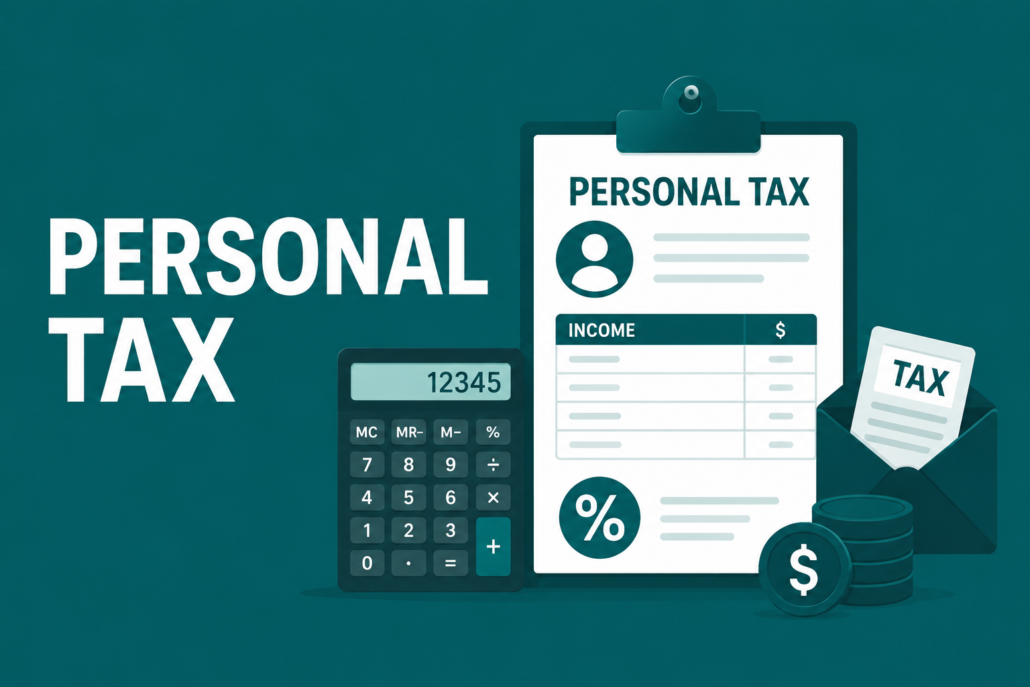
How to File Personal Tax in Denmark
Filing personal tax in Denmark is an essential part of living and working in one of the world’s most organized and digital tax systems. Denmark is known for its efficient tax administration, where much of the process is automated, making it easier for individuals to file their taxes correctly.
Still, if you’re new to the Danish system, it can feel confusing at first. This guide will walk you through exactly how to file personal tax in Denmark, step by step, in a clear and human-friendly way.
1. Understanding the Danish Tax System
Personal income tax in Denmark is managed by Danish Tax Agency.
The system is:
- Progressive (higher income = higher tax)
- Highly digital
- Based on pre-filled tax returns
Taxes fund services such as healthcare, education, and social welfare.
2. Who Needs to File a Tax Return?
Most individuals living or earning income in Denmark must file a tax return.
You must file if:
- You are a resident
- You earn income in Denmark
- You have additional income sources
Even employees must confirm their tax return.
3. Understand Residency Status
Your tax obligations depend on residency.
Resident
- Taxed on worldwide income
Non-resident
- Taxed only on Danish income
4. Get a CPR Number
To file taxes in Denmark, you need a CPR number (Civil Personal Registration number).
- Issued by Danish authorities
- Used for all official and tax-related matters
5. Know the Tax Year
The Danish tax year follows the calendar year:
1 January to 31 December
6. Gather Required Documents
Before filing, collect all necessary records.
Income Documents
- Salary statements
- Bank interest
- Dividends
- Rental income
Expense Records
- Deductible expenses
- Loan interest
- Receipts
7. Understand the Preliminary Income Assessment
Denmark uses a system where:
- You estimate your income at the start of the year
- Taxes are adjusted automatically
This helps avoid large tax bills.
8. Access Your Pre-Filled Tax Return
The Danish Tax Agency provides a pre-filled tax return.
It includes:
- Income details
- Tax already paid
- Standard deductions
9. Review Your Tax Return Carefully
Check for:
- Missing income
- Errors
- Incorrect deductions
10. Add Additional Income
If necessary, include:
- Freelance income
- Rental income
- Foreign income
11. Claim Deductions
Deductions reduce your taxable income.
Common Deductions
- Commuting expenses
- Interest on loans
- Union fees
- Pension contributions
12. Calculate Taxable Income
Formula:
Total Income – Deductions = Taxable Income
13. Understand Tax Rates in Denmark
Denmark has multiple taxes:
- Municipal tax
- State tax
- Labour market contributions
These combine to form your total tax rate.
14. Apply Tax Credits
You may be eligible for credits such as:
- Employment allowance
- Personal allowance
15. Calculate Final Tax Liability
After applying rates and credits, you determine how much tax you owe.
16. Determine Refund or Amount Owed
If too much tax was paid:
→ You receive a refund
If too little tax was paid:
→ You must pay the difference
17. Submit Your Tax Return
You can submit your return online via the system provided by the Danish Tax Agency.
18. Important Deadlines
Key Deadline
- Usually 1 May
Late filing may result in penalties.
19. Pay Your Taxes
Payment Methods
- Bank transfer
- Online payment
20. Real-Life Example: Employee
Profile
- Name: Lars
- Income: DKK 450,000
Process
- Reviews pre-filled return
- Confirms details
Outcome
- Receives refund
21. Real-Life Example: Freelancer
Profile
- Name: Anna
- Income: DKK 700,000
- Expenses: DKK 200,000
Outcome
- Pays tax on DKK 500,000
22. Real-Life Example: Investor
Profile
- Name: Mikkel
- Income from dividends and rent
Outcome
- Reports income
- Claims deductions
23. Common Mistakes to Avoid
- Not reviewing pre-filled return
- Missing income
- Incorrect deductions
- Filing late
24. Prepare for Tax Review
The Danish Tax Agency may review your return.
Tips
- Keep records
- Maintain receipts
- Ensure accuracy
25. Use Digital Tools
Denmark’s tax system is highly digital, making filing simple.
26. Hire a Tax Professional
Consider this if:
- You are self-employed
- You have complex finances
- You have foreign income
27. Plan Ahead for Future Taxes
Good habits include:
- Tracking income
- Saving for taxes
- Reviewing finances regularly
28. Benefits of Filing Properly
- Avoid penalties
- Maximize refunds
- Stay compliant
- Improve financial awareness
29. Final Thoughts
Learning how to file personal tax in Denmark is an essential financial skill.
Thanks to Denmark’s digital and automated system, filing taxes is relatively straightforward—especially with pre-filled returns.
Focus on:
- Reviewing your information
- Reporting all income
- Claiming deductions
- Filing on time
With experience, tax filing becomes simple and beneficial.
FAQs
Q1: Do I need to file a tax return in Denmark?
Yes, most individuals must review and confirm their return.
Q2: When is the tax deadline in Denmark?
Usually 1 May.
Q3: Can I file taxes online?
Yes, through the official system.
Q4: What happens if I don’t file taxes?
Penalties and interest may apply.


Leave a Reply
Want to join the discussion?Feel free to contribute!