
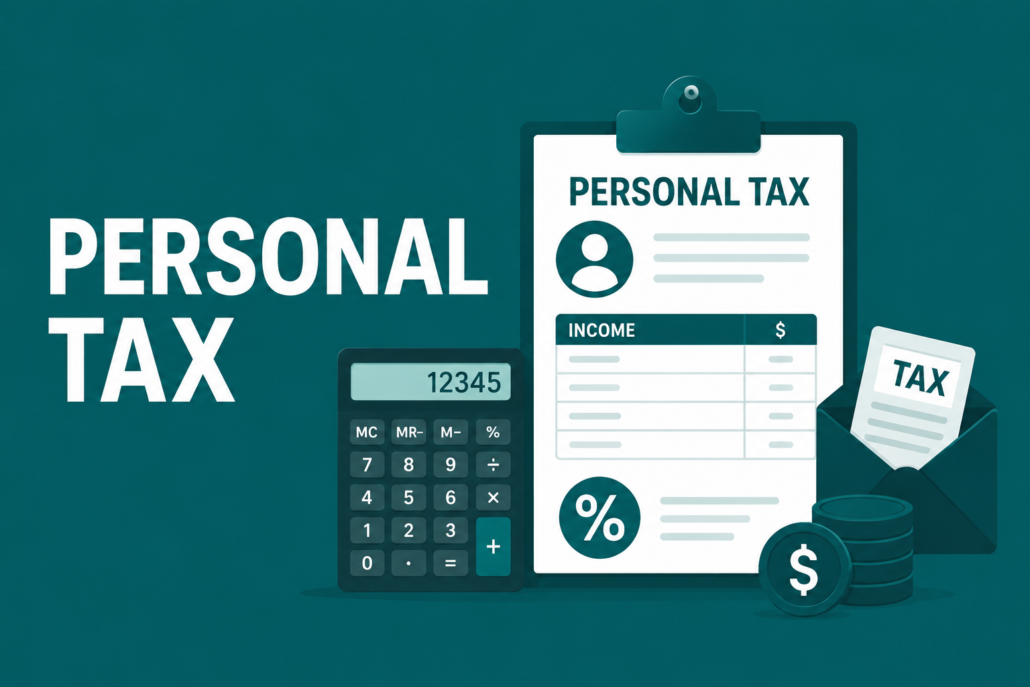
How to File Personal Tax in Ghana
Filing personal tax in Ghana is an essential responsibility for individuals earning income within the country. Whether you are employed, self-employed, or earning from multiple sources, understanding the tax system helps you stay compliant, avoid penalties, and manage your finances effectively.
Ghana’s tax system has become more structured and digital in recent years, thanks to improvements by the Ghana Revenue Authority (GRA).
In this comprehensive guide, you’ll learn exactly how to file personal tax in Ghana, explained step by step in a clear, practical, and human-friendly way.
1. Understanding the Personal Tax System in Ghana
Personal income tax in Ghana is administered by the Ghana Revenue Authority.
Ghana uses a progressive tax system, meaning:
- Income is taxed in bands
- Higher income attracts higher tax rates
Taxes contribute to funding public services such as infrastructure, healthcare, and education.
2. Who Needs to File a Tax Return in Ghana?
Not everyone needs to file a personal tax return, but many individuals do.
You must file if:
- You are self-employed
- You earn income from multiple sources
- You have rental or investment income
- You are not fully covered under PAYE
3. Understand PAYE (Pay-As-You-Earn)
For employees:
- Tax is deducted by the employer
- Payments are made directly to the Ghana Revenue Authority
However, if you have additional income, you may still need to file.
4. Register for a Tax Identification Number (TIN)
Before filing taxes, you must obtain a TIN.
- Issued by the Ghana Revenue Authority
- Required for all tax-related activities
5. Know the Tax Year
The tax year in Ghana is:
1 January to 31 December
6. Gather Required Documents
Before filing, collect all necessary records.
Income Documents
- Salary slips
- Bank interest statements
- Rental income records
- Business income
Expense Records
- Business expenses
- Receipts
- Supporting documents
7. Identify All Sources of Income
You must report all income earned during the year.
Common Income Types
- Employment income
- Self-employment income
- Investment income
- Rental income
8. Calculate Total Income
Add all income sources to determine your total income.
9. Deduct Allowable Expenses
Expenses reduce your taxable income.
Common Deductions
- Business expenses
- Work-related costs
- Professional expenses
10. Calculate Taxable Income
Formula:
Total Income – Allowable Deductions = Taxable Income
11. Understand Personal Income Tax Rates
Ghana uses progressive tax rates:
- Lower income → lower tax
- Higher income → higher tax
12. Apply Tax Reliefs
You may be eligible for reliefs such as:
- Marriage/child education relief
- Disability relief
- Pension contributions
13. Calculate Final Tax Liability
After applying tax rates and reliefs, determine your total tax owed.
14. Determine Refund or Payment
If you paid too much tax:
→ You receive a refund
If you paid too little:
→ You must pay the balance
15. Complete the Tax Return Form
You must fill out a personal income tax return form provided by the Ghana Revenue Authority.
16. Submit Your Tax Return
Filing Methods
- Online via GRA platform
- Manual submission at tax office
17. Important Deadlines
Key Deadline
- Usually 30 April following the tax year
Late filing may result in penalties.
18. Pay Your Taxes
Payment Methods
- Bank transfer
- Mobile money
- Authorized payment channels
19. Real-Life Example: Employee
Profile
- Name: Kwame
- Income: GHS 60,000
Process
- PAYE deducted
- No additional filing needed unless other income exists
20. Real-Life Example: Self-Employed Individual
Profile
- Name: Ama
- Income: GHS 100,000
- Expenses: GHS 40,000
Outcome
- Pays tax on GHS 60,000
21. Real-Life Example: Landlord
Profile
- Name: Kofi
- Rental income earned
Outcome
- Reports rental income
- Pays tax accordingly
22. Common Mistakes to Avoid
- Not reporting all income
- Missing deadlines
- Incorrect deductions
- Poor recordkeeping
23. Prepare for Tax Audits
The Ghana Revenue Authority may review your tax return.
Tips
- Keep proper records
- Maintain receipts
- Ensure accuracy
24. Use Digital Tools
Online platforms simplify tax filing and submission.
25. Hire a Tax Professional
Consider hiring an expert if:
- You are self-employed
- You have multiple income streams
- Your finances are complex
26. Plan for Future Taxes
Good habits include:
- Saving money for taxes
- Tracking income regularly
- Reviewing finances
27. Benefits of Filing Personal Tax Properly
- Avoid penalties
- Stay compliant
- Improve financial awareness
- Build credibility
28. Final Thoughts
Learning how to file personal tax in Ghana is an essential part of managing your finances.
While the process may seem complex at first, breaking it down into steps makes it manageable.
Focus on:
- Reporting income accurately
- Claiming deductions
- Filing on time
With the right approach, tax filing becomes straightforward and beneficial.
FAQs
Q1: Who needs to file a tax return in Ghana?
Self-employed individuals and those with multiple income sources.
Q2: What is the deadline for filing personal tax in Ghana?
Typically 30 April.
Q3: Can I file taxes online in Ghana?
Yes, through the official GRA platform.
Q4: What happens if I don’t file taxes?
Penalties and interest may apply.

Leave a Reply
Want to join the discussion?Feel free to contribute!