
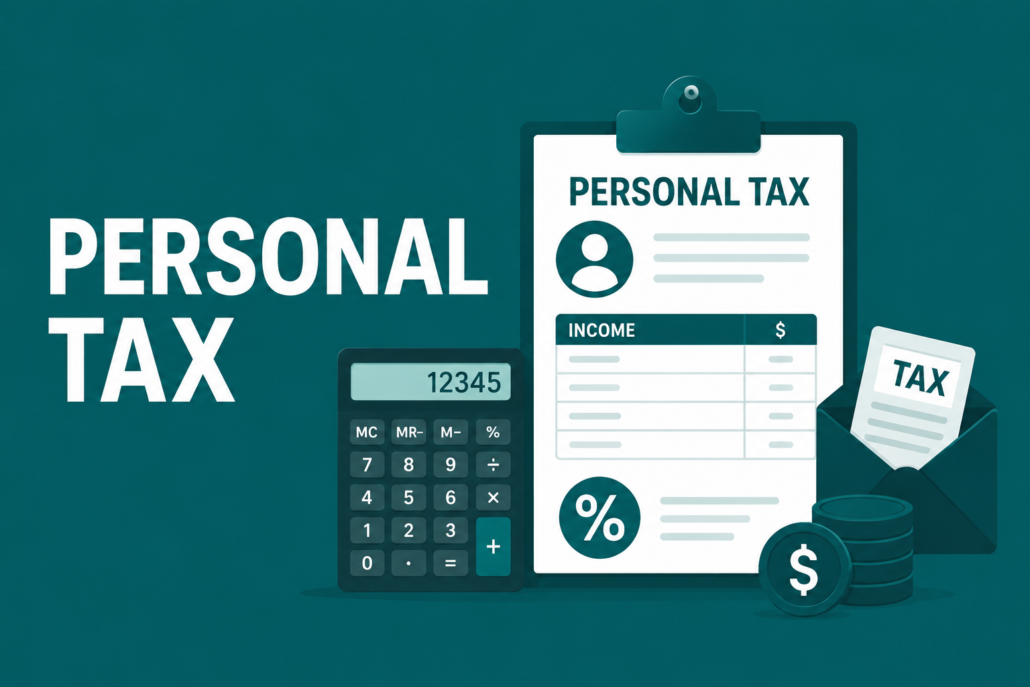
How to File Personal Tax in USA
Filing personal taxes in the United States can feel confusing, especially if you’re doing it for the first time. With multiple forms, deductions, credits, and deadlines, it’s easy to feel overwhelmed.
But here’s the truth: once you understand the process step by step, filing your taxes becomes much more manageable—and even empowering.
In this comprehensive guide, you’ll learn exactly how to file personal tax in USA, including what documents you need, which forms to use, how to reduce your tax legally, and how to avoid common mistakes.
1. Understanding the U.S. Personal Tax System
The U.S. tax system is administered by the Internal Revenue Service (IRS).
The U.S. uses a progressive tax system, meaning:
- The more you earn, the higher your tax rate
- Income is taxed in brackets
You are required to file a tax return if your income exceeds certain thresholds, depending on your filing status.
2. Determine If You Need to File Taxes
Not everyone is required to file, but most people are.
You must file if:
- Your income exceeds the IRS minimum threshold
- You are self-employed
- You received advance tax credits
- You owe special taxes
Even if you’re not required, filing can help you get a refund.
3. Choose Your Filing Status
Your filing status affects your tax rate and deductions.
Common Filing Statuses
- Single
- Married Filing Jointly
- Married Filing Separately
- Head of Household
- Qualifying Widow(er)
Choosing the right status can reduce your tax liability significantly.
4. Gather Required Documents
Before filing, collect all necessary documents.
Income Documents
- W-2 (for employees)
- 1099 forms (for freelancers or contractors)
Other Documents
- Bank interest statements
- Investment income
- Retirement income
Deduction Records
- Medical expenses
- Education costs
- Charitable donations
5. Understand Form 1040
The main form used for personal taxes is Form 1040.
It includes:
- Personal information
- Income details
- Adjustments
- Credits
- Tax calculation
Every individual taxpayer uses this form in some way.
6. Calculate Your Total Income
Add up all income sources:
- Salary
- Business income
- Interest and dividends
- Rental income
- Capital gains
This gives you your gross income.
7. Adjust Your Income (AGI)
Your Adjusted Gross Income (AGI) is calculated by subtracting certain adjustments:
Common Adjustments
- Student loan interest
- Retirement contributions
- Health savings account contributions
AGI is important because many credits depend on it.
8. Choose Between Standard Deduction and Itemized Deduction
You can reduce your taxable income using deductions.
Standard Deduction
A fixed amount based on filing status.
Itemized Deduction
Includes:
- Mortgage interest
- Medical expenses
- Charitable contributions
Choose the option that gives you the biggest tax benefit.
9. Calculate Taxable Income
Formula:
Gross Income – Adjustments – Deductions = Taxable Income
This is the amount on which your tax is calculated.
10. Apply Tax Rates
The U.S. uses tax brackets. Different portions of your income are taxed at different rates.
This ensures fairness and prevents over-taxation.
11. Claim Tax Credits
Credits reduce your tax bill directly.
Popular Tax Credits
- Child Tax Credit
- Earned Income Tax Credit (EITC)
- Education credits
Credits are more valuable than deductions because they reduce tax dollar-for-dollar.
12. Calculate Total Tax Liability
After applying credits, you get your total tax owed.
Then compare it with:
- Taxes already paid (withholding)
- Estimated payments
13. Determine Refund or Amount Due
If you paid more:
→ You get a refund
If you paid less:
→ You must pay the balance
14. File Your Tax Return
You can file your taxes in different ways:
E-Filing
- Fast
- Secure
- Recommended by the Internal Revenue Service
Paper Filing
- Slower
- More prone to errors
15. Pay Taxes (If You Owe)
Payment Methods
- Bank transfer
- Debit/credit card
- IRS payment plans
Always pay on time to avoid penalties.
16. Understand Tax Deadlines
Important Date
- April 15 → Standard filing deadline
You can request an extension, but you must still pay estimated taxes.
17. Real-Life Example: Employee Filing Taxes
Profile
- Name: John
- Income: $60,000
- Filing Status: Single
Process
- Receives W-2
- Claims standard deduction
- Files Form 1040
Outcome
- Gets a small refund due to tax withholding
18. Real-Life Example: Freelancer Filing Taxes
Profile
- Name: Maria
- Income: $50,000
- Expenses: $10,000
Process
- Files Schedule C
- Pays self-employment tax
Outcome
- Pays taxes quarterly
- Reduces income with deductions
19. Common Mistakes to Avoid
- Missing deadlines
- Incorrect Social Security number
- Forgetting income sources
- Not claiming deductions
- Filing under wrong status
Avoiding these mistakes can save you money and stress.
20. Prepare for an Audit
The Internal Revenue Service may review your return.
Tips
- Keep records for 3–7 years
- Save receipts
- Ensure accuracy
21. Use Tax Software or Hire a Professional
Tax Software
- Easy to use
- Guides you step by step
Tax Professionals
- Ideal for complex situations
- Helps maximize deductions
22. Plan Ahead for Future Taxes
Good tax habits include:
- Saving money for taxes
- Tracking income and expenses
- Reviewing financials regularly
23. Benefits of Filing Taxes Correctly
- Avoid penalties
- Maximize refunds
- Build financial credibility
- Stay legally compliant
24. Final Thoughts
Learning how to file personal tax in USA is an essential life skill. While the process may seem complex, breaking it into steps makes it much easier.
Focus on:
- Understanding your income
- Choosing the right deductions
- Filing on time
- Keeping accurate records
Once you get the hang of it, tax filing becomes routine—and even an opportunity to optimize your finances.

Leave a Reply
Want to join the discussion?Feel free to contribute!